Note: This post may contain affiliate links in the future. When that happens, purchasing through those links supports this site at no extra cost to you. See our Affiliate Disclosure for details.
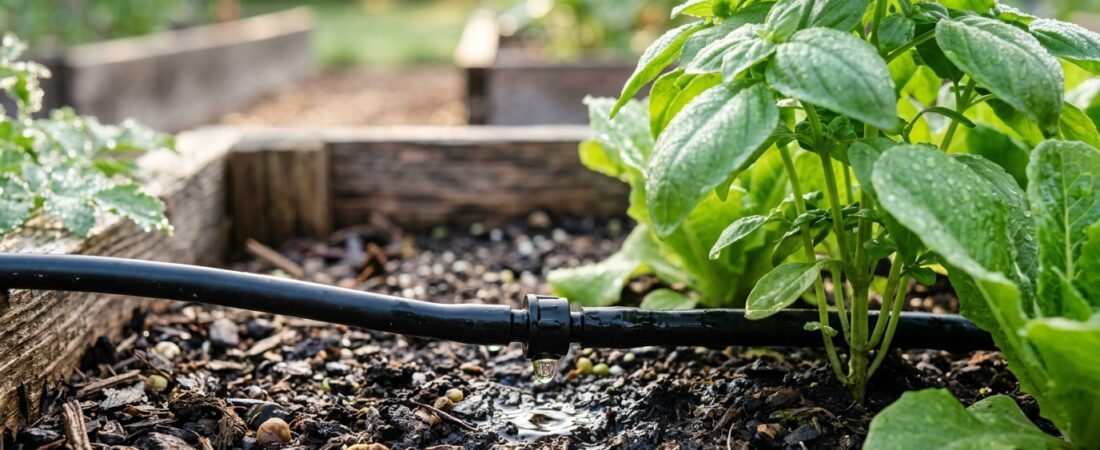
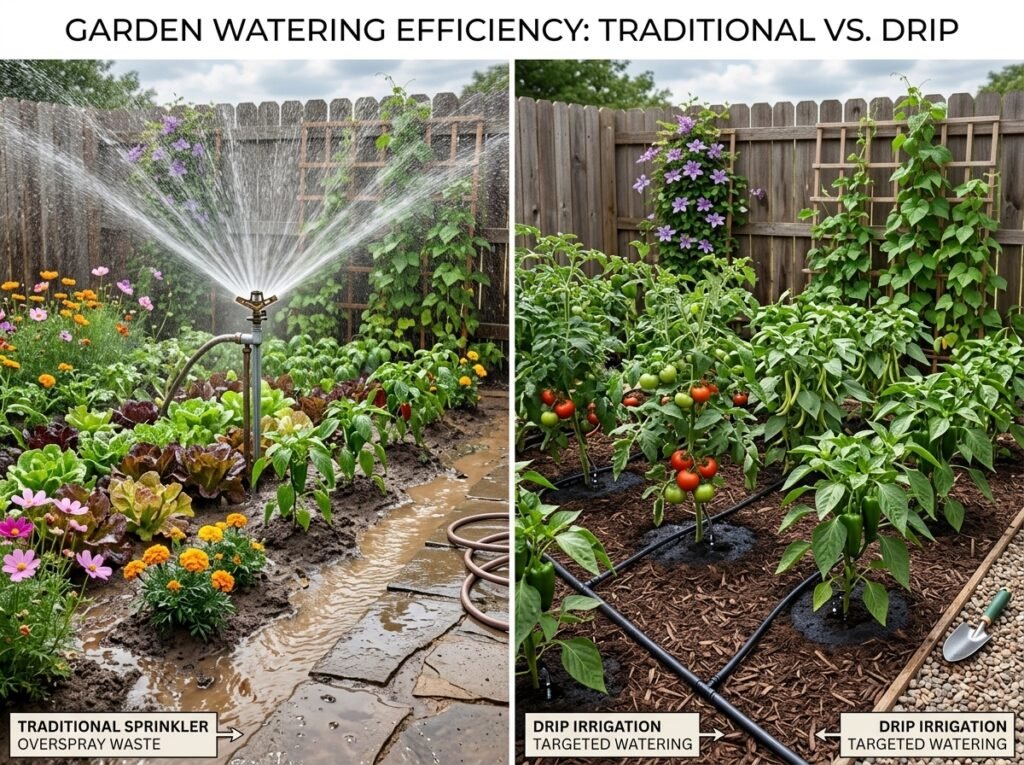
If you have ever watched a sprinkler soak your driveway instead of your tomatoes, you already understand the problem drip irrigation solves. Traditional watering methods lose a significant amount of water to evaporation, runoff, and overspray. Drip irrigation delivers water directly to the root zone, drop by drop — which means less waste, healthier plants, and a noticeably lower water bill.
This guide breaks down how drip irrigation works, what to look for in a kit, and which systems stand out for home gardens, raised beds, and small farms in 2026.
Why Drip Irrigation Matters for Water Conservation
- Reduced evaporation loss: Water applied at soil level loses far less to evaporation than sprinklers spraying into the air.
- Targeted delivery: Water goes exactly where roots need it, not on pathways, weeds, or bare soil.
- Lower runoff: Slow, steady drips let soil absorb water gradually, minimising runoff on slopes or compacted ground.
- Healthier plants: Consistent root-zone moisture reduces plant stress, fungal disease from wet foliage, and blossom-end rot in vegetables.
- Lower water bills: Many gardeners report savings of 30 to 50 percent compared to sprinkler systems.
What to Look for in a Drip Irrigation Kit
Not all kits are created equal. Here is what separates a reliable drip irrigation system from a frustrating one.
- Coverage area — Buy for your actual garden size plus a little extra for future expansion.
- Emitter type — Pressure-compensating emitters are essential for gardens with slopes or long tubing runs.
- Tubing material — UV-resistant polyethylene tubing lasts longer in direct sun without cracking.
- Filter and pressure regulator — Critical for preventing clogs and protecting emitters from high household water pressure.
- Timer compatibility — A built-in or add-on timer automates watering, which is where most real water savings happen.
- Expandability — Modular kits let you add extra tubing, emitters, or zones as your garden grows.
- Ease of installation — Push-fit connectors and pre-punched tubing save significant setup time.
Top Drip Irrigation Kits for Water Conservation in 2026
1. Rain Bird 32-ETI Drip Irrigation Kit
Best for: Beginners with small to medium gardens
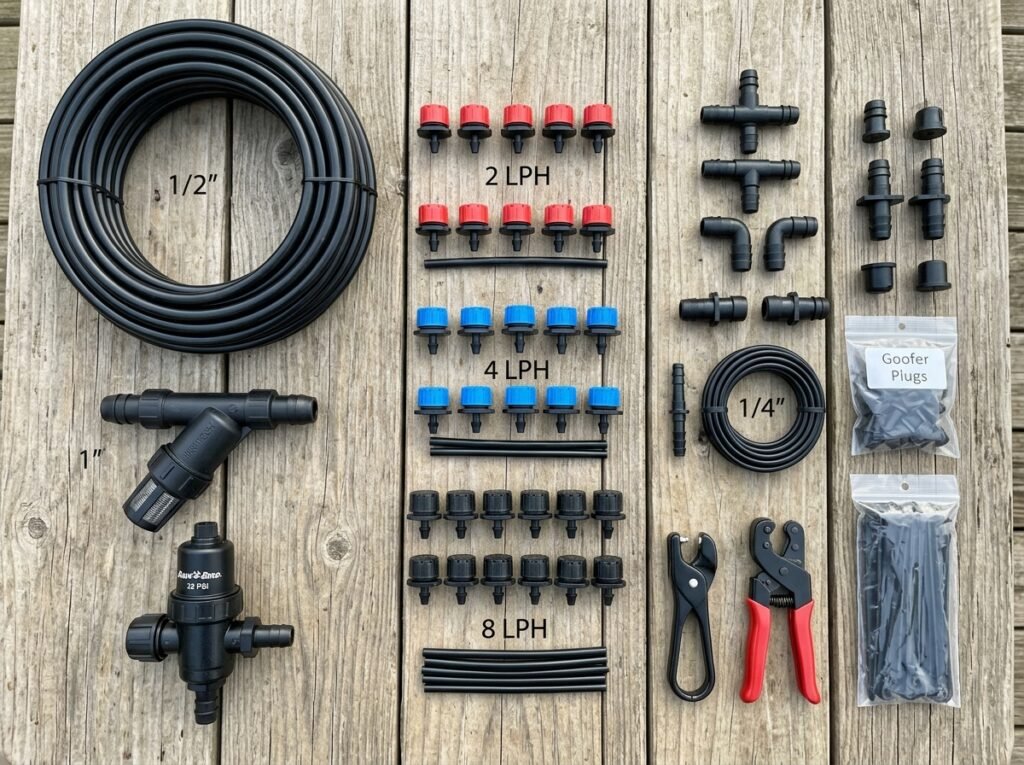
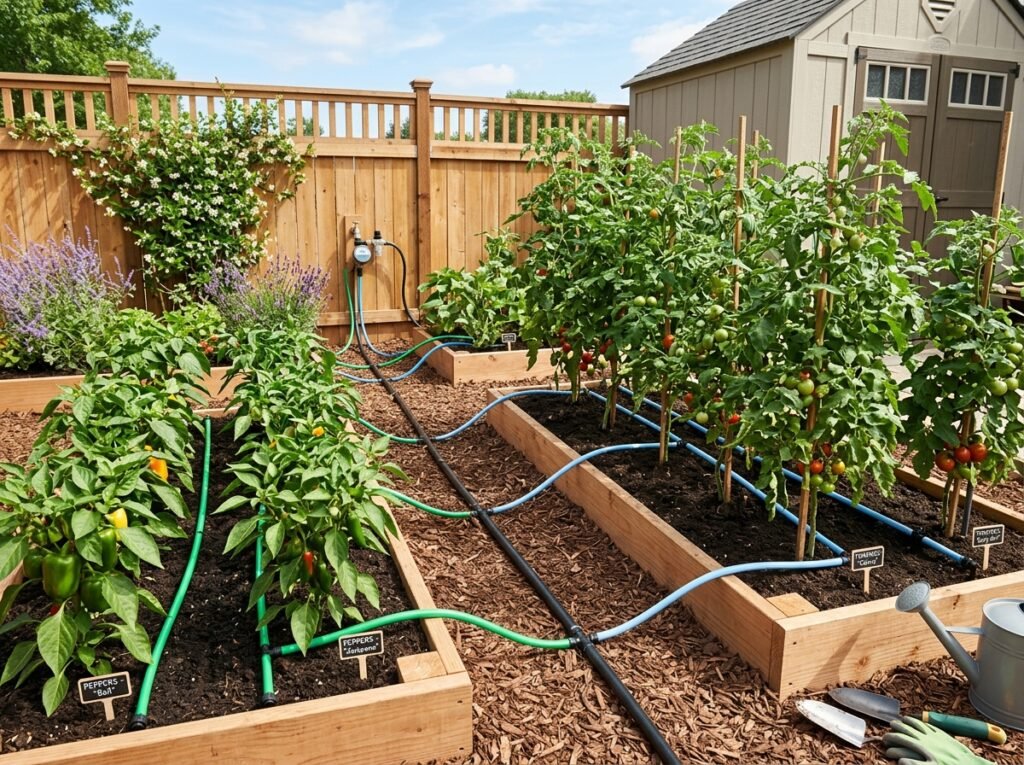
Rain Bird is one of the most established names in irrigation. This kit includes colour-coded tubing, a pressure regulator, and a filter — making it nearly foolproof to set up. Both drip emitters and micro-sprays are included for mixed plantings.
- Excellent for first-time drip irrigation users
- Includes both drip emitters and micro-sprays
- Reliable pressure regulation prevents blowouts
- Best suited to smaller beds — expansion parts sold separately
2. Raindrip Distribution Tubing Kit with Timer Bundle
Best for: Automated, hands-off watering
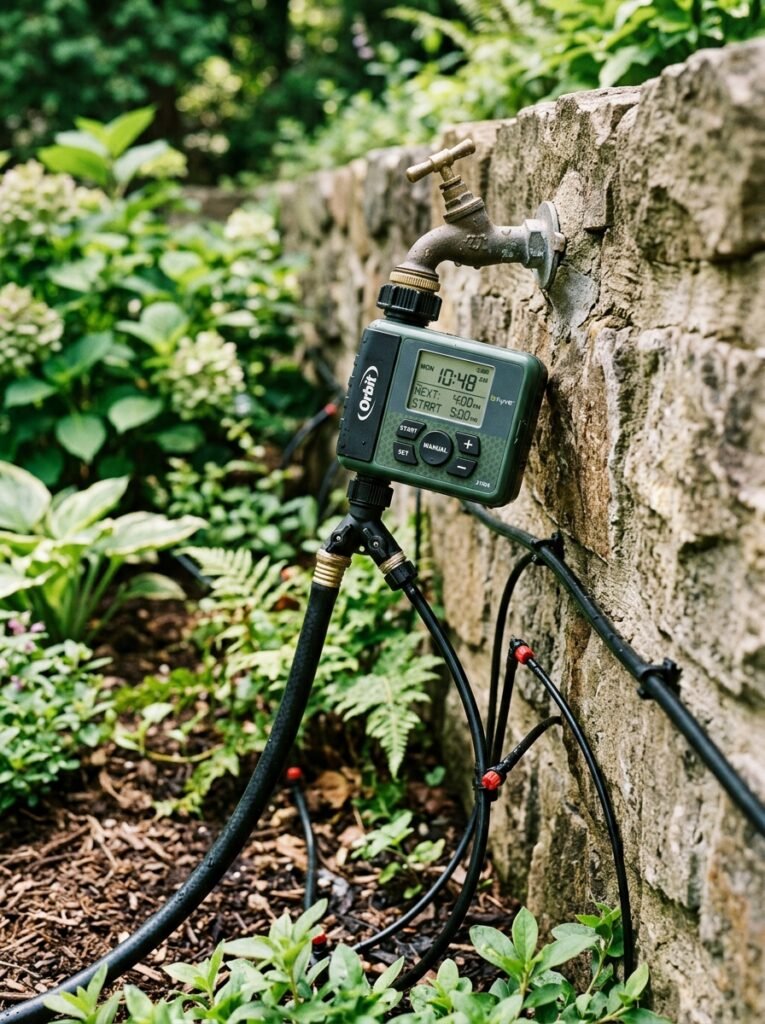
Pairing drip tubing with a battery-powered timer is where water savings compound. You are no longer relying on memory to water consistently. Particularly useful for vacation homes or frequent travellers.
3. Netafim Drip Irrigation Kit
Best for: Precision watering and sloped gardens
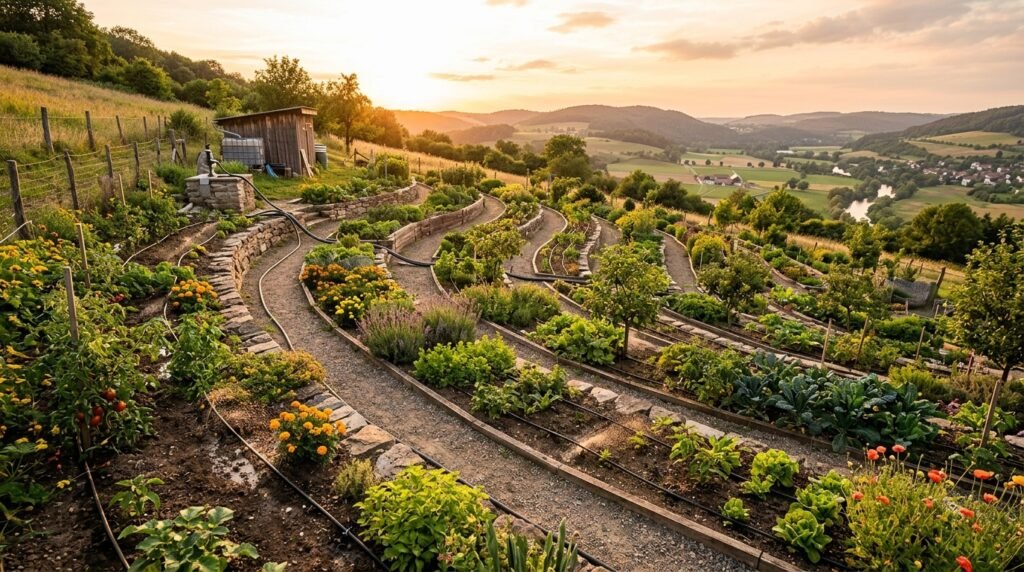
Netafim pioneered modern drip technology. Their pressure-compensating emitters are an industry benchmark. If your garden has slopes, raised beds at different heights, or long tubing runs, Netafim delivers consistent output that cheaper emitters cannot match.
4. DIG Corporation Garden Drip Irrigation Kit
Best for: Container gardens and patios
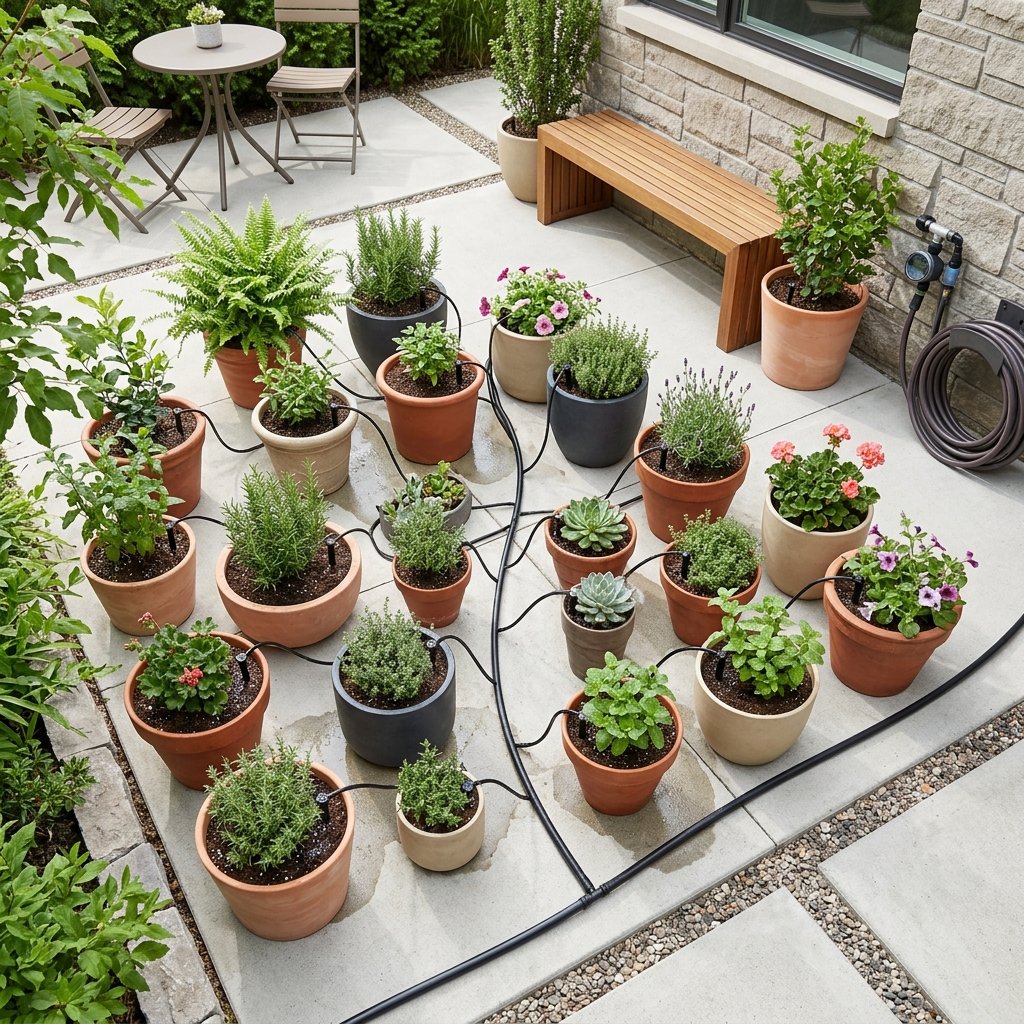
DIG kits are popular with container and raised-bed gardeners because they include a wide variety of emitter styles in one box. Compact enough for patios, balconies, and small courtyards.
5. Orbit Distribution Tubing Drip Kit
Best for: Budget-conscious gardeners
Orbit offers one of the best price-to-performance ratios in the category, covering the fundamentals — tubing, emitters, connectors, and a basic filter — at a lower cost than premium brands.
6. Raindrip R560DP Garden Drip Watering Kit
Best for: Container gardens and hanging baskets
This Raindrip kit is built for containers and hanging baskets rather than in-ground rows — it includes a timer and 20 drippers, watering up to 20 potted plants automatically. A great fit for patios, balconies, and porches full of pots.
7. Mixc Automatic Drip Irrigation Kit
Best for: Greenhouses and large-scale setups on a budget
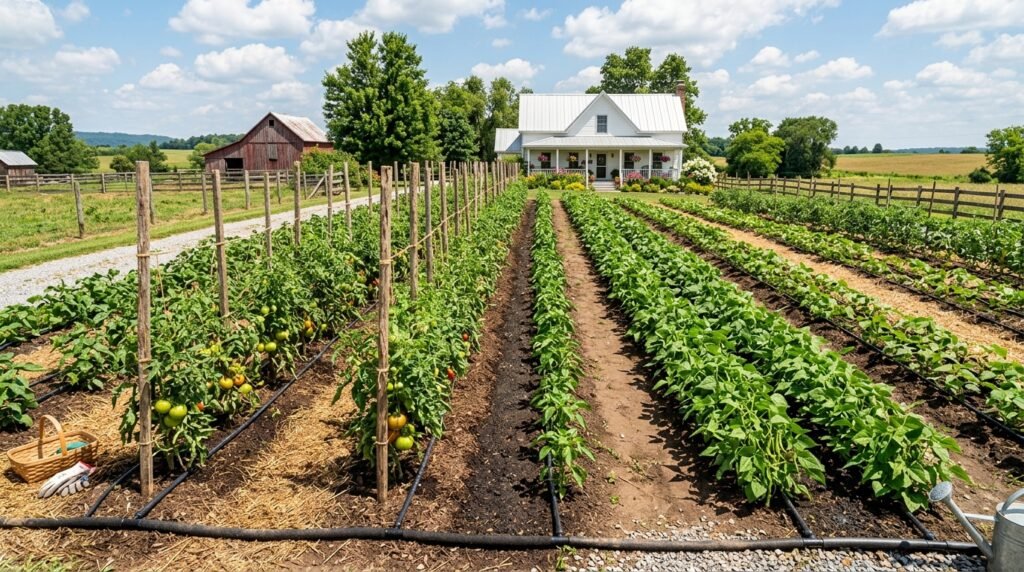
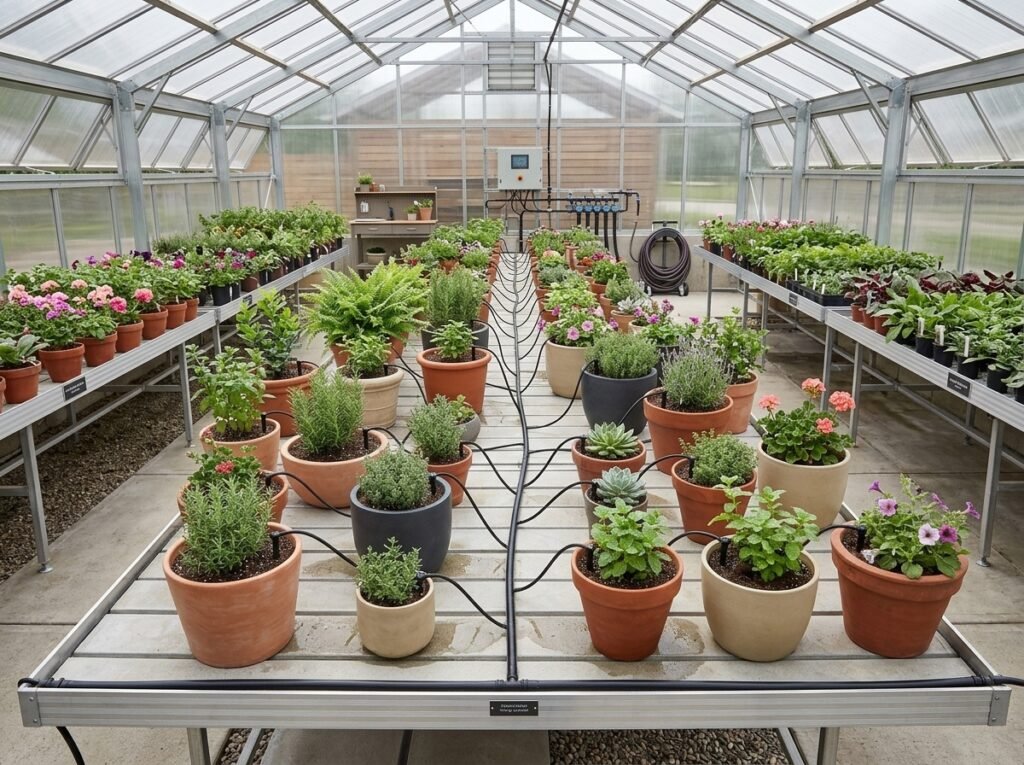
Mixc kits offer impressive coverage — often hundreds of feet of tubing and dozens of drippers — at a fraction of professional-grade brand costs. Solid for greenhouses, large vegetable plots, or many potted plants at once.
Quick Comparison
| Kit | Best For | Coverage | Timer Ready | Price |
|---|---|---|---|---|
| Rain Bird 32-ETI | Beginners | Small–Medium | Add-on | $ |
| Raindrip + Timer | Automation | Customisable | Built-in | $$ |
| Netafim | Precision/slopes | Medium–Large | Add-on | $$$ |
| DIG Corporation | Containers | Small | Add-on | $$ |
| Orbit | Budget | Small–Medium | Add-on | $ |
| Raindrip R560DP | Containers/baskets | Medium | Add-on | $ |
| Mixc Drip Kit | Greenhouses | Large | Add-on | $$ |
Installation Tips for Maximum Water Savings
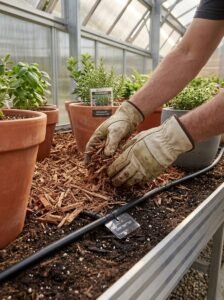
- Add mulch over your drip lines to further reduce evaporation and conceal tubing.
- Always use a pressure regulator. Most drip components are rated for 25–30 PSI while household pressure often runs 40–60 PSI.
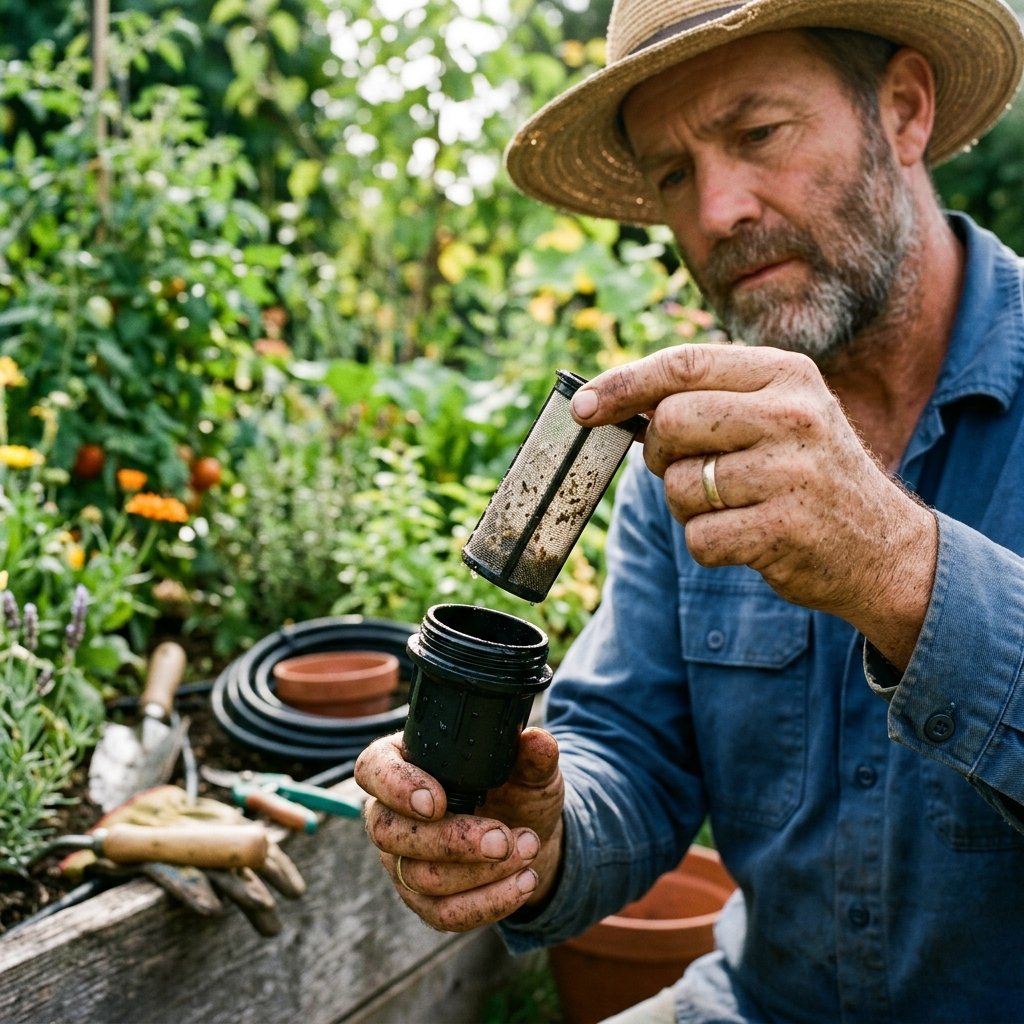
- Flush your lines seasonally. Sediment and mineral buildup are the most common causes of clogged emitters.
- Group plants with similar water needs on the same zone to prevent overwatering drought-tolerant plants.
- Check emitters monthly during the growing season to catch disconnected lines early.
Frequently Asked Questions
How much water does drip irrigation actually save?
Most gardeners see savings of 30 to 50 percent compared to sprinklers, largely due to reduced evaporation and runoff. Results vary by setup, climate, and consistency of use.
Do I need a timer for a drip irrigation kit?
Not strictly required, but a timer is one of the single best upgrades for water conservation. It removes guesswork and prevents both over- and under-watering, especially when you are away from home.
Can drip irrigation kits be used in raised beds and containers?
Yes. Many of the kits above include adjustable emitters and micro-sprays specifically designed for containers and raised beds. The DIG Corporation and Orbit kits are particularly well-suited to these setups.
How long do drip irrigation kits last?
UV-resistant tubing typically lasts several years outdoors, depending on climate, sun exposure, and maintenance. Inspect cheaper components more frequently and replace as needed.
Is drip irrigation better than soaker hoses?
Both conserve water effectively. Drip systems offer more precise, adjustable control per plant, while soaker hoses are simpler and cheaper for straight garden rows. For mixed gardens, drip irrigation gives more flexibility.
Final Thoughts
Switching to drip irrigation is one of the most effective, low-effort upgrades you can make for your garden. Whether you are outfitting a few raised beds or an entire backyard vegetable plot, there is a kit on this list suited to your scale and budget. Start with a system sized realistically for your current garden, add a timer if possible, and expand as needed.
Explore more practical guides in our Gardening Tips category, or check out our Hydroponics for Beginners guide for another water-efficient growing method.